In a world where artificial intelligence can produce images in seconds, it can be tempting to save time and money by letting a computer generate your headshot. But while AI can create something that looks like you on the surface, it often falls short when it matters most — authenticity, trust, and brand perception.
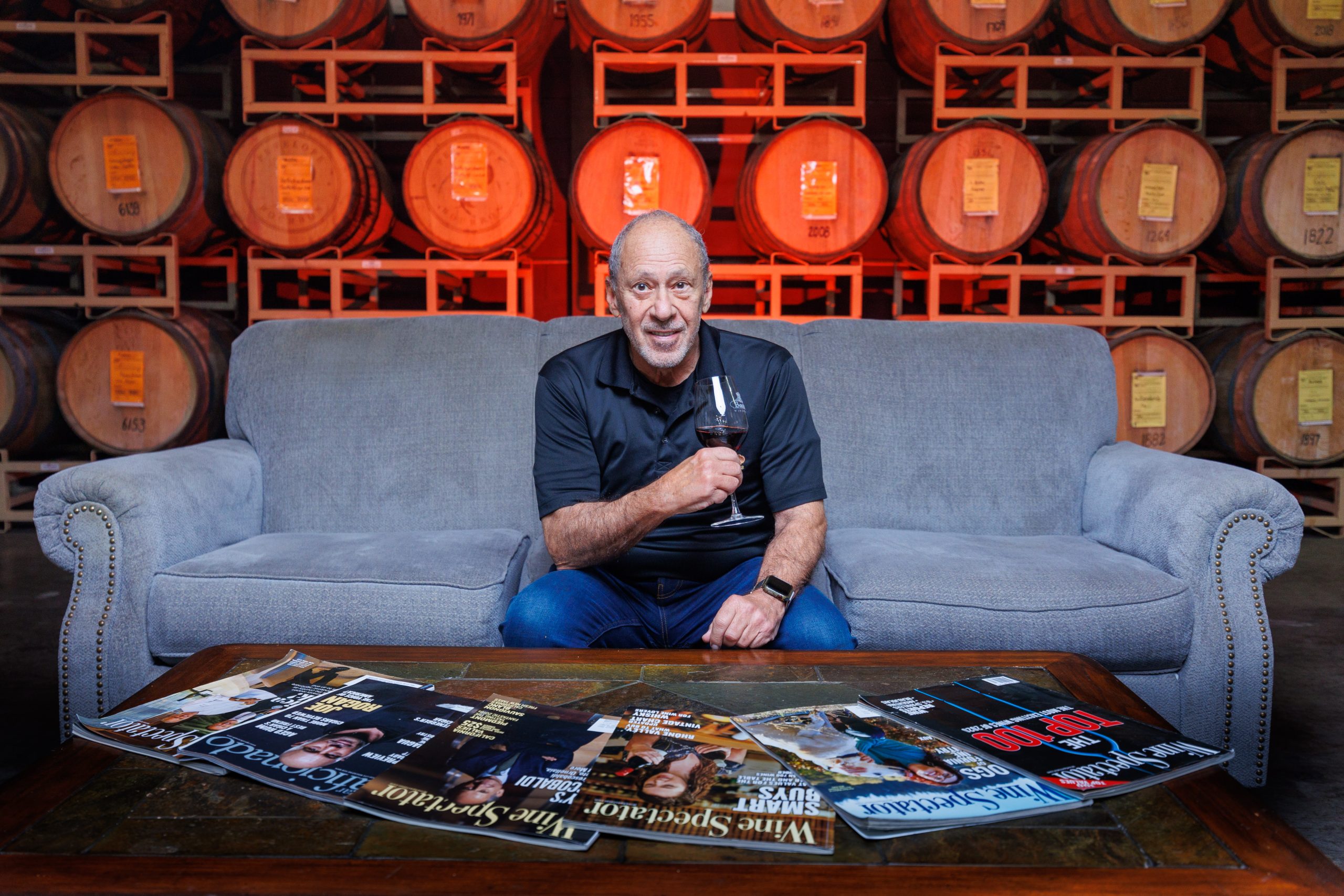
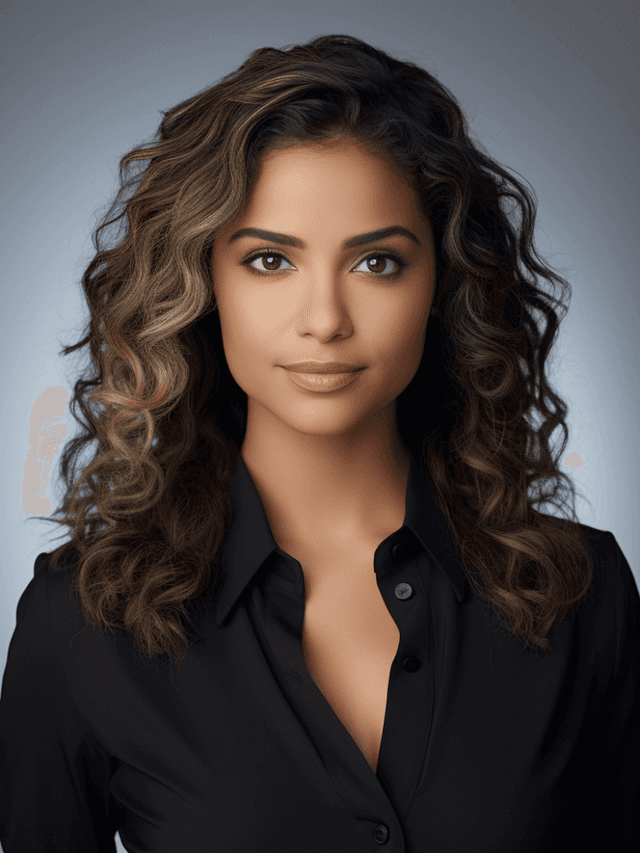
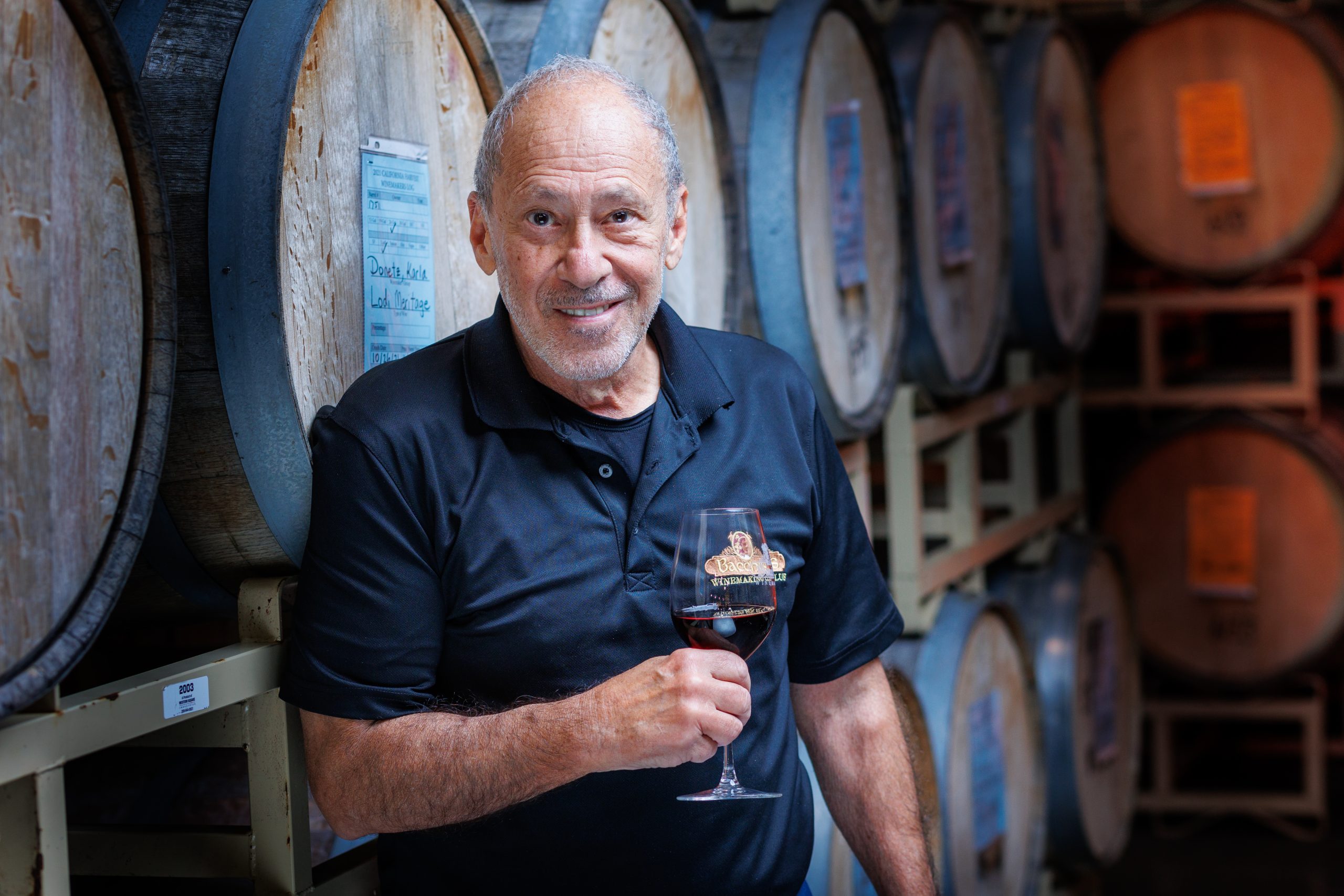
A professional headshot is more than a picture of your face. It communicates confidence, credibility, and personality. Real headshots capture subtle details — your expression, your posture, the way light wraps around you — that AI frequently distorts or misrepresents. Small inaccuracies in eye shape, skin texture, or proportions might seem minor, but audiences pick up on what “feels off.” Those tiny signals can reduce trust, especially on platforms like LinkedIn, business websites, and speaker bios where first impressions matter.
There’s also a growing awareness that many AI headshots look AI. The backgrounds, skin smoothing, and symmetry often fall into the same predictable style. When everyone uses the same technology, the results look generic — the opposite of personal branding.
More importantly, your professional image should reflect the real you today, not an AI-filtered approximation. Clients, employers, and partners want to know who they will meet in real life. A polished, real photograph by a human photographer sends a message: you invest in your career, you show up as yourself, and you take your reputation seriously.
AI has its place — for editing, retouching, or creative experimentation — but when it comes to your professional headshot, there is no substitute for a real camera, real lighting, and a skilled human who knows how to bring out the best in you.